Condescending Wonka meme
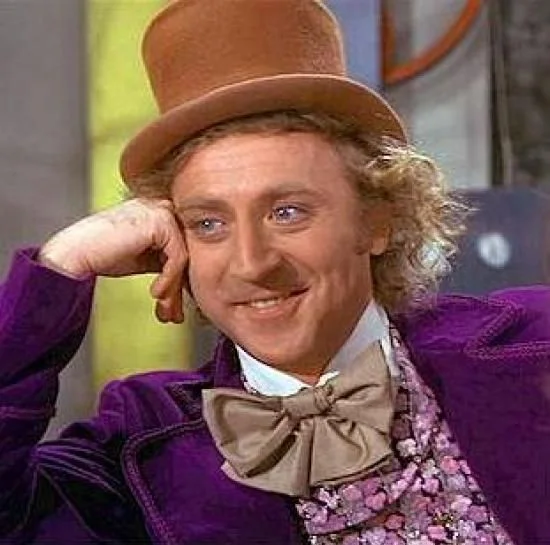
The Condescending Wonka meme pairs apparent interest with a follow-up that quietly punctures an inflated claim. Gene Wilder’s relaxed, knowing smile makes the speaker seem politely impressed while the words imply the opposite. It is a format for sarcasm, often recognized by an “Oh, so…” setup or a “tell me more” response.
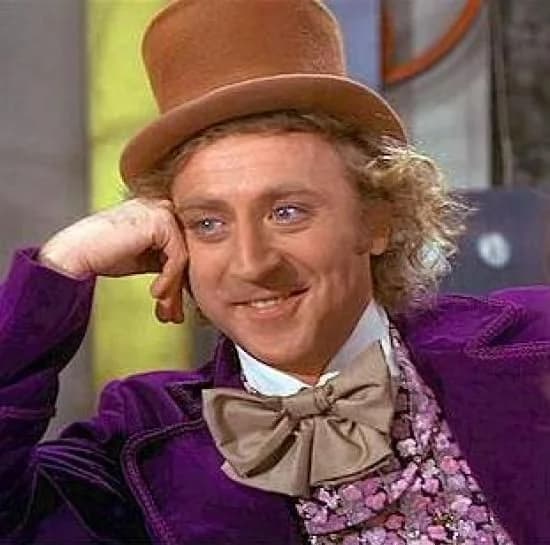 OH, YOU READ THE HEADLINE?TELL ME MORE ABOUT YOUR RESEARCH
What does it mean?
The top caption introduces a small achievement, discovery, or confident announcement. The bottom pretends that this qualifies someone to explain an entire subject. A new notebook becoming a complete productivity transformation is the kind of disproportion that makes the insincere interest legible.
For a friendly group chat, aim the performance at your own overconfidence. Imagine Wonka answering the grand announcement you are tempted to make. That gives the group a shared joke about the gap between your tiny first step and your elaborate future plans, without requiring anyone else to be the target.
The Memish translation
“Your confidence is fascinating given the available evidence.”
How the format works
- Use the top caption for a rhetorical question that appears interested in a minor accomplishment or newly discovered idea.
- Use the bottom caption for a falsely impressed invitation to elaborate, or an exaggerated conclusion that reveals the sarcasm.
- Make the gap between evidence and confidence obvious. Keep the joke self-directed and the wording brief enough to leave Wonka’s expression visible.
Caption examples for your group chat
Original Memish examples. Borrow the structure and make the situation your own.
01The one-dish chef
OH, I MADE ONE GOOD MEAL?
PLEASE EXPLAIN MY RESTAURANT PLANS
Send this about your own sudden culinary ambition after the dinner group compliments a single successful dish.
02The new notebook era
SO I BOUGHT A NEW NOTEBOOK?
TELL ME MORE ABOUT MY PRODUCTIVITY
The imagined skeptical reply questions whether buying supplies has actually changed the sender’s habits.
03The tutorial graduate
OH, I WATCHED ONE TUTORIAL?
TELL ME MORE ABOUT MY EXPERTISE
A single video becomes an absurd qualification, with the sender poking fun at their own confidence.
When to use it
Use it after your first successful recipe, a stationery purchase, or one tutorial has briefly convinced you that you are ready for a new career. The knowing face can play the skeptical audience to your own ambitions, especially when friends have already heard the enthusiastic announcement.
When another reaction fits
The image can sound dismissive when someone is sincerely proud, asking for help, or learning something new. Choose a direct response in those conversations. If the joke is simply that a statement is obvious, You Don’t Say is clearer; if you are mimicking someone’s exact wording, Mocking SpongeBob follows that structure more closely.
Where did it come from?
The image shows Gene Wilder as Willy Wonka in the 1971 film Willy Wonka & the Chocolate Factory. Know Your Meme traces online uses of the face to 2011, including the earlier Creepy Wonka captions, and documents the later shift toward the sarcastic Condescending Wonka format that year. The meme’s feigned-interest prompts are captions added by internet users, not dialogue to attribute to the pictured film moment. The examples here are original Memish captions.
Image credit: Paramount Pictures / Willy Wonka & the Chocolate Factory; pictured: Gene Wilder.
Find the right reaction
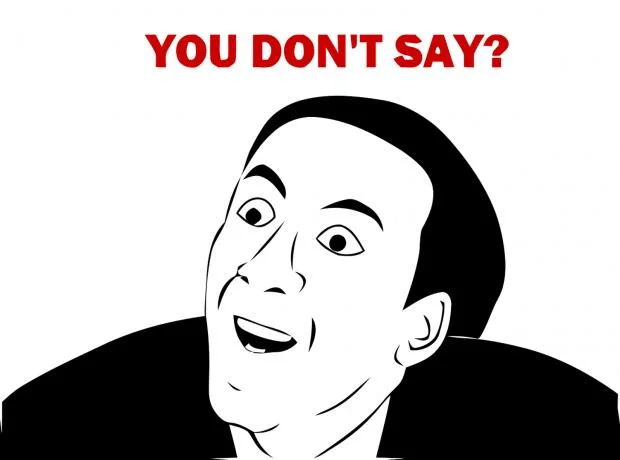
You Don’t Say
For mock surprise at an observation that was already obvious.
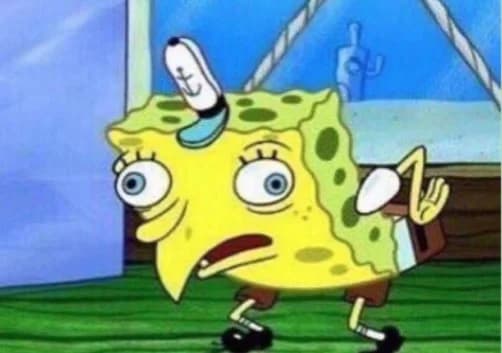
Mocking SpongeBob
For a sarcastic imitation of a particular phrase rather than feigned interest.
Malfoid (Female Draco Malfoy)
For giving that exaggerated superiority a fictional rival's theatrical laugh.
Need something ready to send? Browse our reaction memes or group-chat memes. To make your own, follow the iPhone and Android meme tutorial.